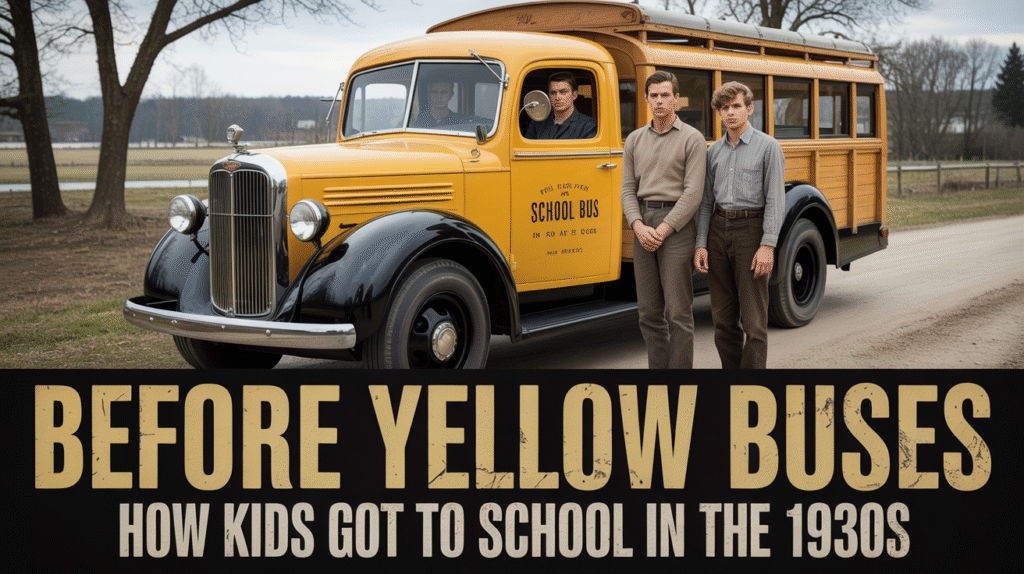
Early School Buses Before Yellow Became the Standard
When most people picture a school bus, they imagine bright yellow paint, flashing lights, and rows of seats designed with safety in mind. That image feels timeless, almost permanent. But it is actually a relatively modern invention.
Before yellow buses became the standard, getting children to school looked very different. In rural America, especially during the early 1900s, there was no single design, no national rulebook, and no guarantee of comfort or safety. Communities built transportation solutions with whatever they had available.
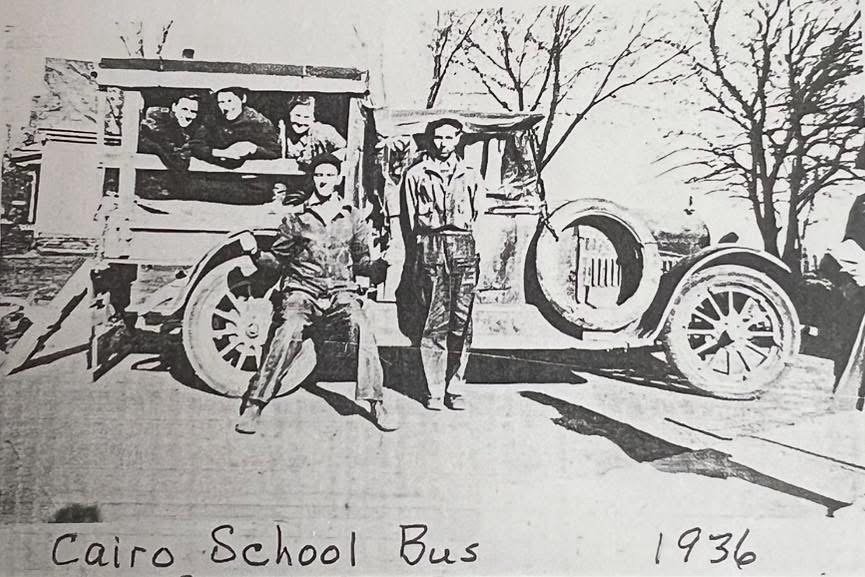
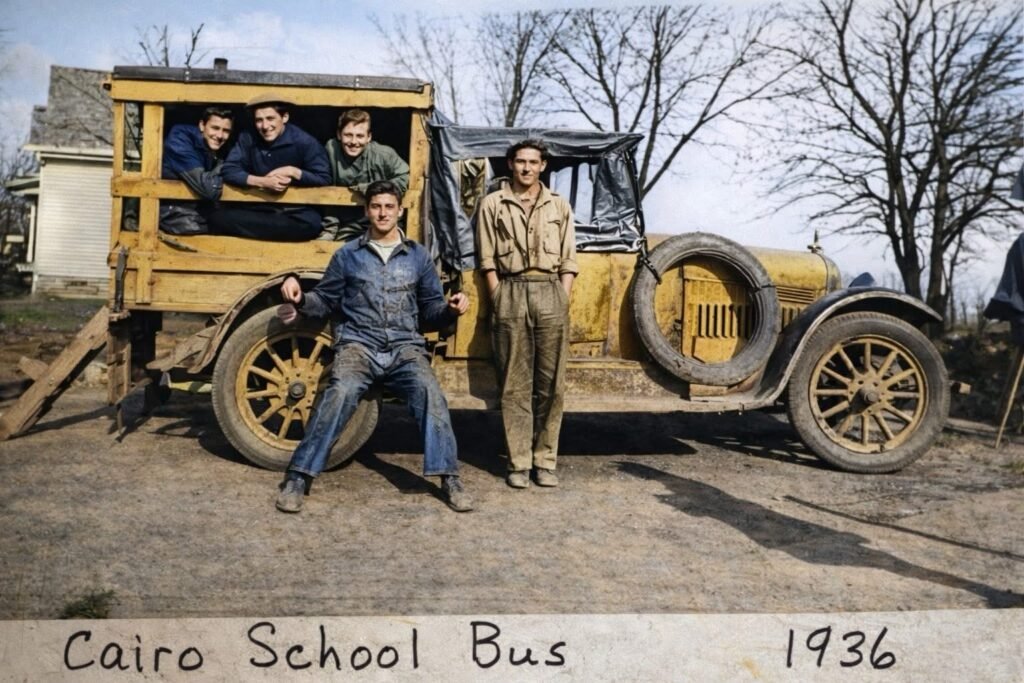
The 1936 school bus photo from rural Missouri captures this perfectly. What you see is not a bus in the modern sense. It is a working truck, repurposed with wooden sides and benches, pressed into service because children needed a way to get to school.
This was not unusual. Across the country, thousands of towns relied on similar homemade vehicles. Each one reflected the ingenuity and limitations of the people who built it.
How Kids Got to School Before Modern School Buses
Before organized school transportation existed, most children walked to school. For some, that meant a short walk down a dirt road. For others, it meant miles through fields, woods, snow, or mud.
In rural areas, distance was a serious problem. One room schoolhouses served wide regions, and families often lived far apart. Younger children struggled the most, especially during winter months or heavy rains.
Some families used horses and wagons. Others piled children into farm trucks or borrowed vehicles. There were no fixed routes, no schedules posted online, and no guarantees that transportation would even be available every day.
Attendance depended heavily on weather, road conditions, and the physical ability of the child. Education was valued, but access was inconsistent.
This reality explains why early school buses began to appear long before they looked anything like the yellow buses we recognize today.
The Rise of Homemade School Buses in Rural America
As rural populations grew and schools began consolidating, walking simply was not enough anymore. Communities needed a way to transport multiple children at once.
The solution was simple and practical. Trucks already existed. Lumber was available. Skilled hands were nearby. So towns converted what they had into school transportation.
Wooden sides were added to truck beds. Bench seating was installed, sometimes without backs. Canvas or metal roofs offered minimal protection from rain and snow. Windows were rare. Heating was often nonexistent.
No two buses were alike. One town might use a flatbed truck. Another might rely on a modified farm vehicle. Paint colors varied, and many had no markings at all to indicate they were carrying children.
These homemade school buses were not designed for comfort or safety by modern standards. They were designed to solve a problem.
What This 1936 School Bus Photo Really Shows
At first glance, the 1936 school bus from rural Missouri looks more like a work truck than a vehicle meant for children. That is exactly the point.
The wooden construction tells a story of necessity. This bus was built locally, likely by townspeople who understood carpentry better than manufacturing standards. The open sides suggest ventilation was not a luxury but a requirement, even in bad weather.
The men standing beside the bus are dressed in work clothes, not uniforms. Drivers were often farmers, laborers, or community members who took on the role because someone had to do it.
There are no safety rails, no warning signs, and no protective barriers. Children rode sitting shoulder to shoulder, trusting the driver and the road ahead.
This image does not show neglect. It shows a community doing its best with limited resources during a difficult time in American history.
The Great Depression And Community Ingenuity
By 1936, America was still deep in the Great Depression. Money was scarce, jobs were unstable, and rural communities felt the strain more than most. Buying purpose built vehicles for school transportation simply was not an option.
Instead, towns relied on ingenuity. If a truck could haul crops, it could haul children. If lumber could build barns, it could build bus walls. These early school buses were community projects, often assembled with donated materials and volunteer labor.
This same kind of resourcefulness defined everyday life during the era. Families reused, repaired, and repurposed everything they owned just to get by. Meals were stretched, clothing was handed down, and nothing was wasted, a reality also reflected in how families survived on limited food supplies during the Great Depression, as seen in everyday accounts of what families ate to survive.
School transportation was not about comfort or convenience. It was about making sure children could reach education at all.

Why Early School Buses Were Not Yellow
One of the most common questions people ask when seeing photos like this is simple. Why are these buses not yellow?
The answer is that yellow school buses did not exist yet as a standard. In the 1930s, there were no national regulations for school transportation. Visibility studies had not been conducted, and safety uniformity was still decades away.
Bus colors varied wildly. Some were bare wood. Others were painted whatever color paint happened to be available. Many had no paint at all. The idea of a universally recognizable school bus came later, alongside improvements in road design and traffic safety.
As transportation systems evolved, so did the need for standardized signage and visibility, similar to how early highway signs slowly developed into the systems we recognize today through the evolution of highway signage.
Yellow would eventually be chosen because it stood out in low light and poor weather. But in 1936, function mattered far more than appearance.
Safety On Early School Buses Was Almost Nonexistent
By modern standards, early school buses were incredibly unsafe. There is no way around that fact.
Seat belts did not exist. Windows were often open or missing entirely. Heating systems were rare, meaning winter rides could be brutally cold. Suspension systems were stiff, turning dirt roads into bone shaking experiences.
Yet this level of risk was normalized. Life itself was more dangerous in the early twentieth century. Farming accidents, industrial injuries, and unsafe roads were common. People accepted risks that would be unthinkable today.
This same acceptance of danger shows up in many aspects of early American life, from manual labor to transportation to domestic chores, including the harsh realities of everyday work during the early 1900s.
Children climbed aboard these buses knowing it was the only option available.
Who Drove Early School Buses
Unlike today, early school bus drivers were rarely trained professionals. They were members of the community.
Farmers often drove buses between chores. Laborers took on routes before or after work. In some cases, older students or teachers themselves handled transportation duties. Driving was based on trust, not certification.
These drivers knew the roads, the families, and the children personally. Routes were informal and flexible, sometimes adjusted daily depending on weather or road conditions.
This blurred line between work and community responsibility was common in rural America, where many professions overlapped and neighbors relied on one another to keep daily life functioning.
Education did not stop because conditions were difficult. It adapted.
One Room Schoolhouses And The Transportation Problem
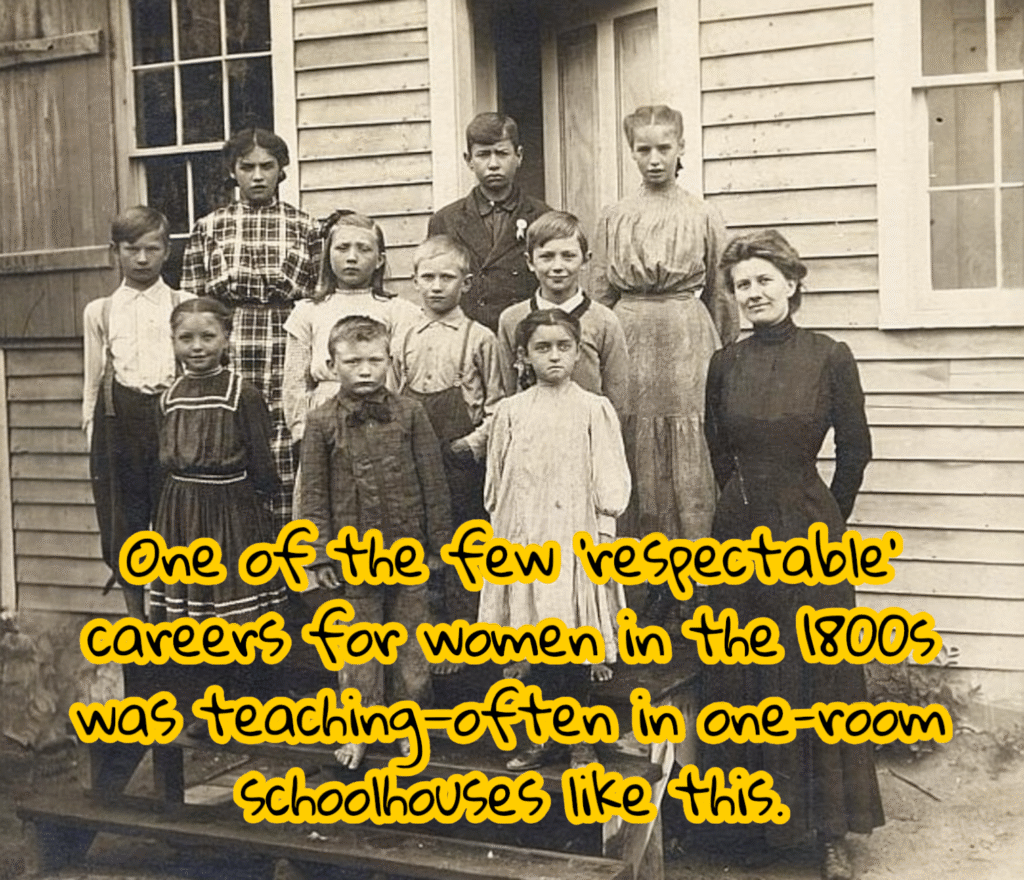
Before early school buses existed, most rural children attended one room schoolhouses. These schools were scattered across the countryside so students could walk from nearby farms and homes.
As populations shifted and education standards changed, many small schools began to close. Districts consolidated students into fewer buildings, often miles apart. While this improved access to teachers and resources, it created a new problem. How were children supposed to get there?
Walking was no longer realistic for many families. Horses were expensive to maintain. Not every household owned a wagon or vehicle. Transportation quickly became one of the biggest barriers to education in rural America.
This transition mirrors what happened in many small towns across Missouri and the Midwest, where expanding school systems reshaped daily life, similar to how growing communities changed town centers and schools over time.

How Early School Buses Changed Rural Education Forever
Once early school buses became more common, everything began to change.
Attendance improved almost immediately. Children who had once missed school due to distance or weather could now attend more regularly. Younger students who previously stayed home during harsh seasons were finally able to participate.
Longer school terms became possible. Districts could justify investing more in education when students could reliably show up. Consolidation allowed schools to offer broader subjects and better facilities.
Transportation did not just move children from point A to point B. It expanded opportunity. Education became less dependent on geography and more accessible to rural families who had long been isolated.
This shift played a major role in shaping modern rural education and helped lay the foundation for the standardized systems we recognize today.
When Yellow School Buses Finally Took Over
The familiar yellow school bus did not appear overnight. It was the result of decades of experimentation, accidents, and growing concern for child safety.
By the late 1930s and into the 1940s, researchers began studying visibility and traffic safety. Yellow was chosen because it stood out in fog, rain, and low light conditions. Standardized designs followed, including stop arms, enclosed cabins, and eventually flashing lights.
Federal and state regulations slowly replaced the patchwork systems used in towns like Cairo. Homemade buses faded away as purpose built vehicles became affordable and widely available.
This transition mirrored other major changes in American transportation, as roads improved and traffic systems evolved alongside growing vehicle use.

Why Photos Like This Still Matter Today
It would be easy to look at this 1936 photo and dismiss it as outdated or unsafe. But doing so misses the bigger picture.
This image captures a moment when communities solved problems together. It shows how education mattered enough that people were willing to build solutions from scratch. It reflects resilience, creativity, and determination during one of the hardest periods in American history.
Photos like this also remind us that everyday life is history. Not just famous events or well known figures, but ordinary people adapting to their circumstances.
Much like other historic images that reveal the truth behind early photography and daily life, this school bus photo preserves a story that might otherwise be forgotten.
A Small Town Snapshot Of A National Story
What makes the 1936 school bus photo so powerful is not the vehicle itself. It is the story it represents.
While the image comes from a tiny rural town, the experience was shared by thousands of communities across the United States. From Missouri to Appalachia to the Great Plains, families faced the same challenges. Distance, weather, poverty, and limited resources shaped how children accessed education.
Small towns rarely make it into textbooks, yet they carried the weight of national change. The evolution of school transportation did not begin in major cities. It began on dirt roads, with borrowed trucks and wooden benches.
Photos like this give us a glimpse into how America truly functioned at the ground level, where progress was built slowly and locally.
What We Lose When Everyday History Is Forgotten
History often focuses on dramatic moments. Wars. Inventions. Famous leaders. But much of America’s story lives in ordinary details that were never meant to be preserved.
Early school buses were not designed to last. They were tools, built for a job, then discarded when something better came along. Without photographs, their existence would be almost entirely forgotten.
The same is true for many aspects of early rural life, from work routines to transportation to education. When these details disappear, we lose context for how quickly modern life developed and how recently many comforts arrived.
Preserving and sharing images like this helps restore that missing context and reminds us how much effort once went into everyday tasks we now take for granted.
From Homemade Buses To Modern Classrooms
Looking back, it is easy to focus on what early school buses lacked. No safety standards. No comfort. No consistency.
But what they provided mattered far more.
They provided access. They made education possible for children who would otherwise have been left behind. They allowed rural schools to grow, consolidate, and improve. They connected families to opportunity.
Modern school systems did not appear fully formed. They were built piece by piece, often through trial and error, driven by communities solving problems the best way they knew how.
That legacy still echoes today every time a school bus pulls onto a road.
Why This 1936 School Bus Still Deserves Attention
This image is not just a curiosity from the past. It is evidence of how ordinary people shaped education in America.
It shows that progress does not always arrive neatly packaged. Sometimes it comes as a wooden sided truck, rattling down a dirt road, driven by someone who simply cared enough to show up.
By understanding where school transportation began, we gain a deeper appreciation for how far it has come and the communities that made it possible.
Small towns may not dominate search results, but their stories deserve to be told.
As an Amazon Associate we earn from qualifying purchases through some links in our articles.