When Postcards First Took Over Everyday Life
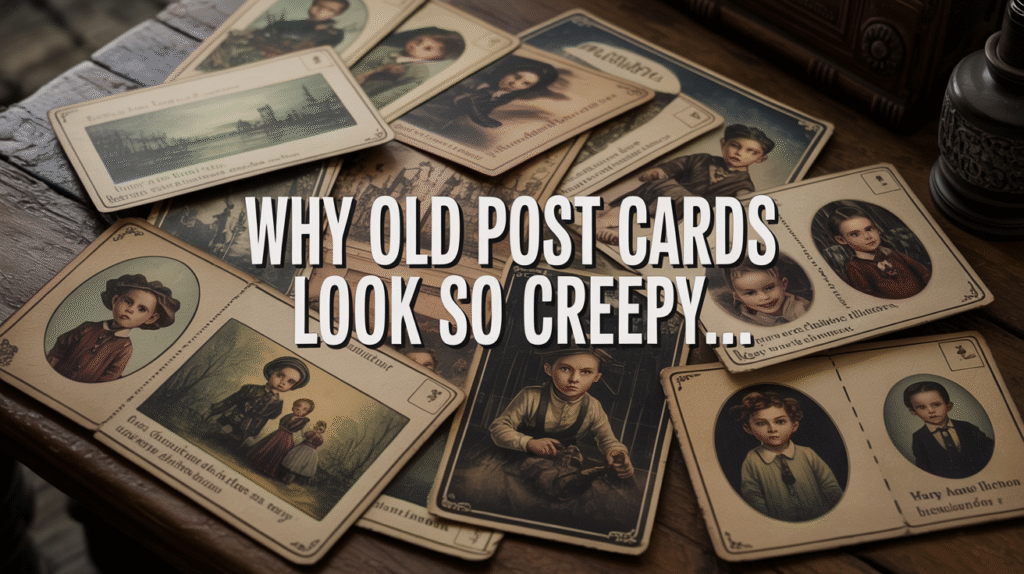
In the late 1800s, postcards were not just souvenirs. They were social media, text messages, and family updates all rolled into one small piece of cardboard.
Postcards were cheap, fast, and personal. By the 1890s, people were sending them for everything. Birthdays. Holidays. Jokes. Insults. Even bad news.
This explosion of postcard culture happened during a time when life was far harsher than it is today. Disease was common. Child mortality was high. Death was part of daily conversation.
To modern eyes, many of these postcards look disturbing. But to the people sending them, they were completely normal.
This same emotional distance shows up in old photography, which helps explain the real reason people looked so serious in old photos. What feels unsettling now was simply everyday life back then.
Postcards reflected that reality.
Why 1800s Postcards Look So Creepy to Us Today
The biggest reason creepy postcards of the 1800s feel disturbing today is simple.
Our world changed. Theirs did not.
Victorians lived closer to death, illness, and suffering than we do now. Medical care was limited. Accidents were common. Childhood was not sheltered.
So when a postcard showed a child crying, a skeleton delivering a message, or a dark joke about sickness, it was not meant to shock.
It was meant to be relatable.
Modern audiences see these images through a very different lens. We expect greeting cards to be cheerful, comforting, and safe. Victorians expected honesty.
This is the same cultural gap that explains why no one smiled in family photos a century ago. Smiling was not required to express warmth or love.
Postcards followed the same logic.
Dark Humor Was Normal in the Victorian Era
Victorian humor was often blunt, sarcastic, and dark.
Jokes about death, injury, and misfortune were common because humor was a coping mechanism. When life is difficult, laughter becomes survival.
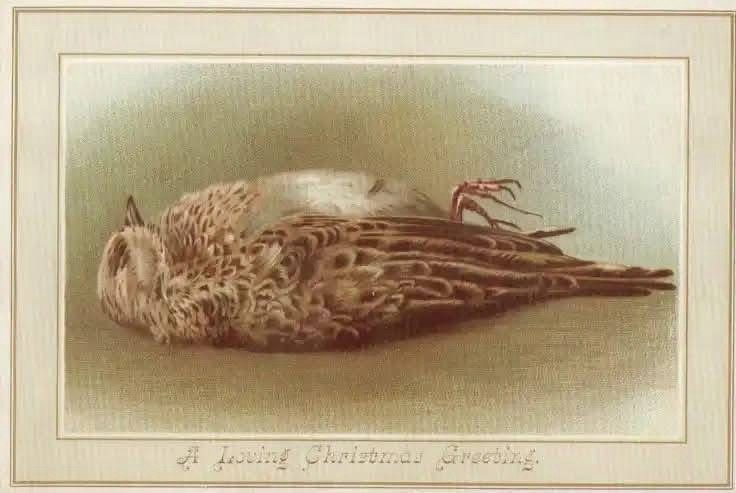
Many postcards from the 1800s used irony and exaggeration. A character might be crushed, chased, or injured in a cartoonish way. The message underneath often read like a casual joke.
To us, it feels wrong. To them, it was comforting.
This mindset also explains other traditions that feel strange today, such as post-mortem photography and mourning jewelry. You can see how normalized death had become in pieces like Victorian post mortem photography and how death was immortalized.
Postcards were simply another expression of that same worldview.
Children on Postcards and Why They Feel Unsettling
One of the most unsettling postcard themes for modern readers is children.
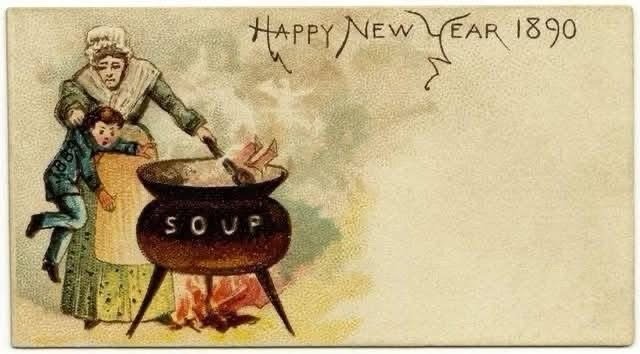
Victorian postcards often show children crying, injured, scolded, or placed in odd situations. Some even feature children interacting with adult themes in ways that feel uncomfortable today.
This does not mean Victorians were cruel.
It means childhood was viewed differently.
Children were expected to mature quickly. Many worked. Many lost siblings. Many faced responsibilities early in life.
So postcards featuring somber or strange children were not meant to be disturbing. They reflected reality.
This same idea appears in historic photography of working children and family life, much like what we see in life of schoolchildren in the Lower East Side in the 1800s.
The postcards were not exaggerating. They were documenting emotional truth.
Death and Illness Were Normal Conversation Topics
One of the biggest shocks when looking at creepy postcards of the 1800s is how casually death and illness appear.
Postcards joked about sickness. Some referenced dying relatives. Others showed grim reapers, skeletons, or people narrowly escaping disaster. To modern readers, it feels wildly inappropriate.
To Victorians, it was honest.
In the 1800s, death was not hidden behind hospital walls. People died at home. Children saw it. Families prepared bodies themselves. Mourning was public and expected.
That closeness to death shaped communication. Sending a postcard that referenced illness or mortality was not cruel. It was relatable.
You see the same mindset reflected in traditions like elaborate mourning rituals and even architecture. Articles like what Christmas looked like 100 years ago show that even holidays carried somber undertones compared to today’s bright, sanitized celebrations.
Postcards didn’t create the darkness. They mirrored it.
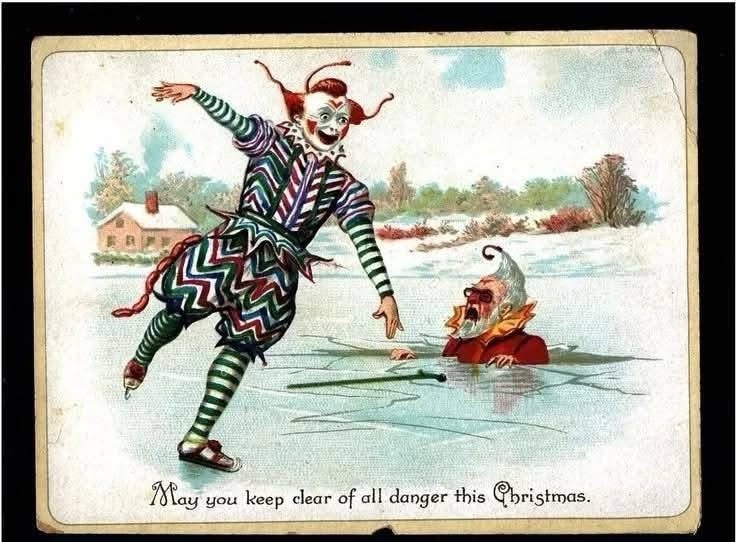
Holidays Used to Be Weird and Sometimes Terrifying
Holiday postcards from the Victorian era are especially unsettling.
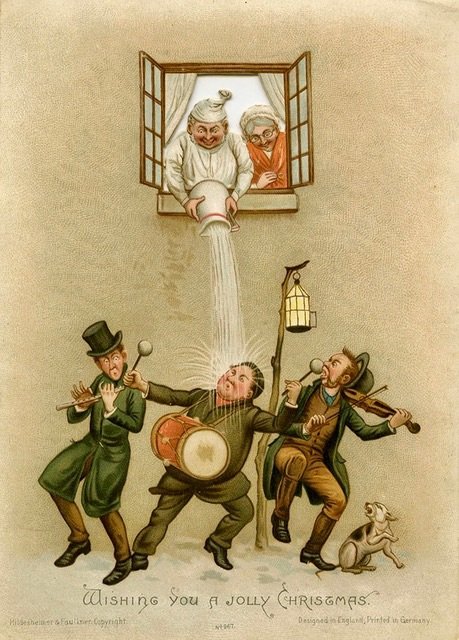
Halloween cards showed demons, devils, and grotesque figures. Christmas postcards sometimes featured eerie children, ominous snowmen, or unsettling humor that feels completely off-brand by modern standards.
But holidays in the 1800s were not purely joyful events.
Halloween was rooted in superstition and fear. Christmas was deeply religious and tied to themes of sacrifice and morality. Valentine’s Day postcards often carried sarcasm or outright insults.
This blend of humor and darkness feels strange now, but it made sense then.
The Victorian era loved symbolism. A creepy image wasn’t meant to scare. It was meant to provoke thought or laughter through irony.
The same contrast appears in other historical celebrations, like how public events evolved over time, which you can see echoed in pieces such as the Macy’s Thanksgiving Day Parade of the 1930s.
What we call creepy today was once meaningful tradition.
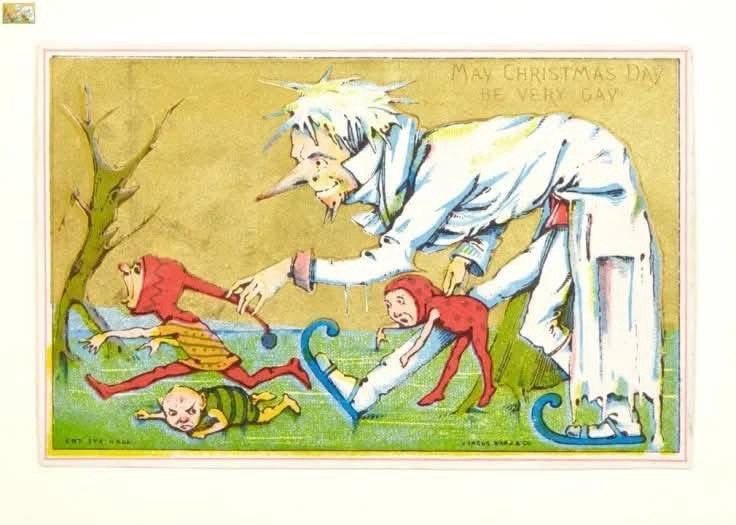
Victorians Were Not Trying to Be Creepy
This is the most important thing to understand.
Victorians were not intentionally making disturbing postcards.
They were communicating in a visual language that no longer exists.
Art styles were exaggerated. Printing techniques distorted faces. Humor relied on satire instead of sweetness. Social norms allowed bluntness that modern society avoids.
When we look back, we apply today’s emotional expectations to a world that did not share them.
That’s why old postcards feel unsettling in the same way old photos do. It’s not the subject. It’s the cultural distance.
This disconnect is the same reason many people feel uneasy looking at early portraits, as explored in unmasking the mystery of why people rarely smiled in old photos.
The postcards weren’t wrong. Our perspective changed.
How These Postcards Reflected Real Life in the 1800s
Postcards were not fantasy. They reflected real experiences.
Work was hard. Injuries were common. Children labored. Women managed households under constant pressure. Humor became survival.
That’s why postcards often featured:
– workplace accidents
– mischievous or suffering children
– sarcastic social commentary
– exaggerated misfortune
They were relatable snapshots of everyday struggles.
This realism mirrors what we see in historical accounts of daily life, like the brutal truth about laundry in the early 1900s or life inside 1800s textile mills as a woman.
Postcards were not meant to comfort. They were meant to connect.
And connection, in that era, often came through shared hardship.
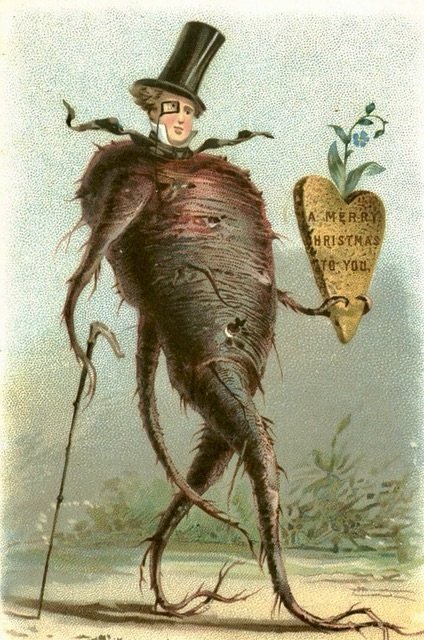
Why Creepy Postcards Fascinate Us Today
There’s a reason images of creepy postcards from the 1800s spread like wildfire online.
They feel forbidden.
Modern culture avoids discomfort. We soften language, sanitize imagery, and package emotion carefully. Victorian postcards do the opposite. They confront illness, misfortune, and mortality head-on.
That clash creates tension — and tension creates fascination.
When people see a postcard showing a distressed child, a skeletal figure, or dark humor wrapped in cheerful handwriting, it triggers curiosity. Our brains struggle to reconcile the contradiction.
The same reaction explains why people obsess over eerie snapshots like the woman on the frozen Mississippi River in St. Louis, 1905 or unsettling historical artifacts that feel emotionally heavy despite being ordinary moments.
Creepy postcards feel like messages sent from a world that didn’t care about comfort — and that honesty is magnetic.
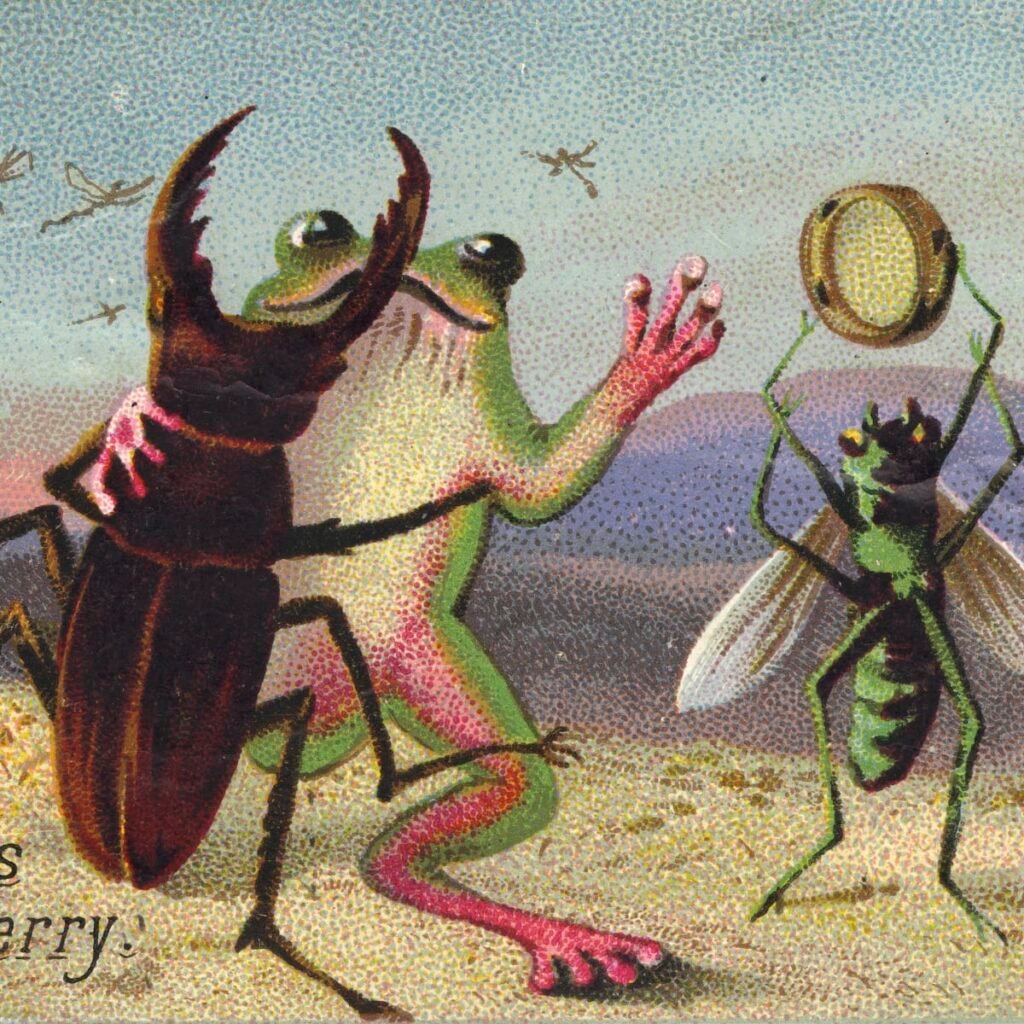
How the Internet Brought Victorian Darkness Back
For decades, these postcards sat forgotten in attics, antique shops, and private collections.
Then the internet happened.
Suddenly, thousands of these images were scanned, shared, and reposted without context. When removed from their historical setting, the artwork took on an entirely new meaning.
Online, these postcards weren’t seen as communication tools. They were seen as horror.
Social media amplified the creep factor. A single image, stripped of explanation, looks disturbing. Add a caption like “People actually sent this to each other,” and engagement explodes.
This same phenomenon happens with other misunderstood historical moments, like why people rarely smiled in old family photos or why early technology often feels eerie despite being groundbreaking.
The internet didn’t make Victorian postcards creepy.
It removed the context that made them normal.
What These Postcards Reveal About Human Nature
At their core, these postcards reveal something uncomfortable but true.
Humans haven’t changed as much as we like to think.
People still joke about dark things. We still use humor to cope with stress. We still communicate through images that outsiders might misunderstand.
The difference is presentation.
Victorians didn’t hide their anxieties behind filters or emojis. Their postcards showed fear, struggle, sarcasm, and irony openly.
That openness connects them to us more than it distances them.
The same emotional rawness appears in other historical records, from letters sent during wartime to daily life accounts like growing up in 1950s small-town America, where hardship and joy existed side by side.
Creepy postcards weren’t abnormal.
They were honest.

As an Amazon Associate we earn from qualifying purchases through some links in our articles.